


















India–US Trade Deal 2026: Tariff Cuts, Energy Shift, $500 Billion Trade Agenda & Global Impact
India and the United States have finalised a significant India–US trade deal in 2026, cutting tariffs, expanding market access, and strengthening economic ties. This article explains the key terms, strategic shifts, impact on industries, and what it means for bilateral relations.

India–US Trade Deal 2026: A New Chapter in Economic Ties
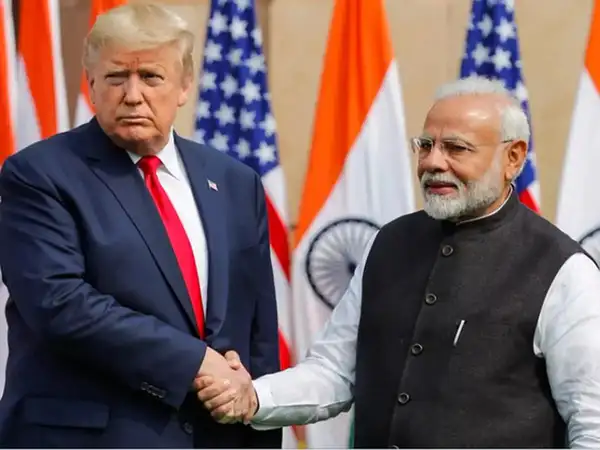
In February 2026, India and the United States finalised a major bilateral trade deal after months of negotiations aimed at reducing tariff barriers and boosting economic cooperation between the world’s two largest democracies. The agreement was announced jointly by U.S. President Donald Trump and Indian Prime Minister Narendra Modi following high‑level discussions, marking a significant milestone in India–US relations.
📉 Major Tariff Changes
A key feature of the trade deal is the reduction of U.S. tariffs on Indian goods:
-
The United States agreed to lower the reciprocal tariff on Indian imports from 25% to 18% immediately, providing relief to Indian exporters facing steep duties.
-
India, in turn, agreed to gradually cut tariffs and non‑tariff barriers on U.S. goods, aiming to improve market access for American products across sectors like technology, agriculture, energy, and consumer goods.
These tariff reductions aim to unlock greater trade flows and make Indian products more competitive in the U.S. market.
🛢️ Energy and Strategic Shifts
A notable strategic component of the deal involves energy trade:
-
India agreed to reduce or halt purchases of Russian crude oil, a move linked to the trade discussions, and channel a significant portion of its energy imports from the U.S. and allied sources.
-
This shift reflects a geopolitical realignment, with energy imports playing a crucial role in the broader economic dialogue between New Delhi and Washington.
India’s pivot to U.S. energy supplies is expected to reshape its crude procurement patterns and align them more closely with U.S. strategic interests.
💵 Expanded Trade Commitments
As part of the deal:
-
India committed to purchasing over $500 billion worth of U.S. products over several years, spanning sectors like energy, technology, agriculture, coal, and consumer goods.
-
This ambitious target signals a long‑term economic partnership beyond conventional tariff negotiations.
The broad purchase plan reflects both countries’ desire to deepen commercial links and reduce trade imbalances.
🌐 Broader Economic and Strategic Impact
The trade agreement comes against a backdrop of evolving global economic partnerships. India has also recently concluded a major free trade agreement with the European Union in January 2026, aiming to liberalise market access and boost exports.
The India–US pact builds on this momentum, offering:
-
Enhanced export opportunities for Indian goods in the U.S. market.
-
Stronger economic cooperation in critical sectors like tech and energy.
-
Increased investor confidence as tariffs become more predictable.
Despite mixed signals during negotiations, both governments emphasised that the agreement supports mutual growth and respects each nation’s economic interests.
📊 Industry and Market Reaction
The announcement of the trade deal has had a notable impact on markets and industry sentiment:
-
Indian stock markets saw positive reactions following the announcement, with indexes rallying on improved trade prospects.
-
Export‑oriented sectors, particularly IT, engineering goods, and agriculture, are anticipated to benefit from more predictable market access.
Industry representatives, while optimistic, have cautioned that tangible benefits will depend on how quickly tariff reductions and regulatory changes are implemented.
📌 Conclusion
The India–US trade deal 2026 stands as a landmark agreement reshaping bilateral economic relations. With tariff reductions, expanded trade commitments, and strategic shifts in energy sourcing, the pact promises to deepen commercial ties and generate new opportunities for businesses on both sides. While implementation will take time and require detailed regulatory work, the agreement marks a major stride toward a more integrated economic partnership between India and the United States.
What's Your Reaction?
 Like
0
Like
0
 Dislike
0
Dislike
0
 Love
0
Love
0
 Funny
0
Funny
0
 Angry
0
Angry
0
 Sad
0
Sad
0
 Wow
0
Wow
0