
















Grahanam Timings Today – 03 March 2026 चंद्र ग्रहण समय | India Eclipse Guide
Check complete grahanam timings for 03 March 2026 in India — lunar eclipse start, peak, end, visibility, Sutak kaal and city-wise timing details of the Blood Moon eclipse.

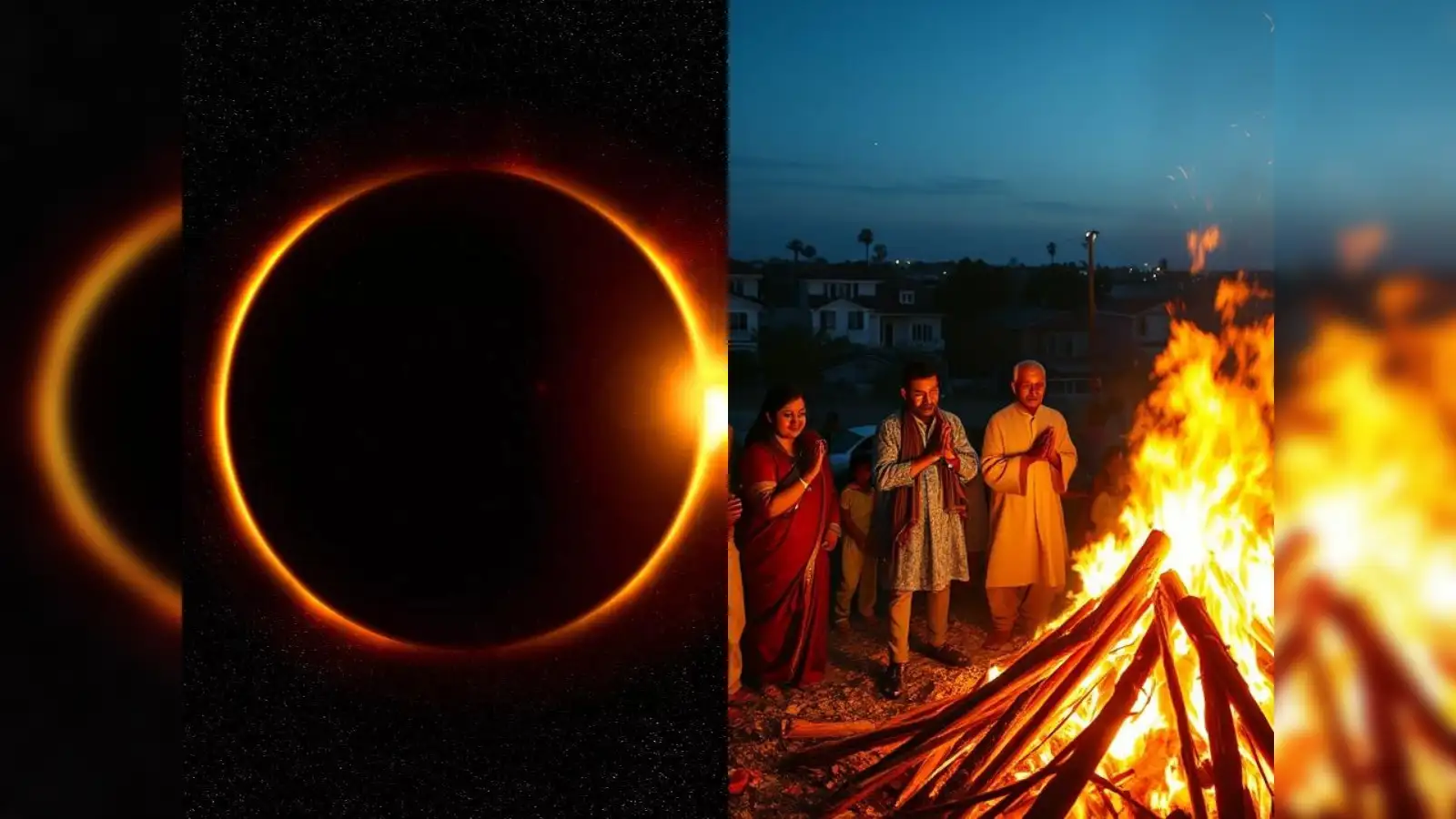
🌗 Overview: 03 March 2026 Lunar Eclipse (Chandra Grahan)
A lunar eclipse — known as चंद्र ग्रहण (Chandra Grahan) — will occur on Tuesday, 03 March 2026. This is the first lunar eclipse of 2026, and it coincides with the festival of Holi, making it a rare and widely watched astronomical event.
Unlike a solar eclipse, a lunar eclipse can be safely viewed with the naked eye, and in many parts of India the Moon will appear reddish (a “Blood Moon”) during the peak of the eclipse.
🕰 Grahanam Timings in India (IST)
According to astronomical calculations:
📍 Date: 03 March 2026
📌 Chandra Grahan (Lunar Eclipse):
-
Start: ~ 3:20 PM IST
-
End: ~ 6:47 PM IST
• Total duration: about 3 hours 27 minutes
• During this time the Moon passes into Earth’s shadow.
Note: The visible eclipse phase — when you actually see the Moon enter the Earth’s shadow — depends on moonrise at your location. Across much of India, the Moon will rise near the end of the eclipse, so observers will see the eclipse in progress (especially the partial phase).
🌍 What You’ll See in India
Because the Moon rises later in the evening:
-
In many parts of India (like New Delhi, Bengaluru, Mumbai, Chennai, Hyderabad), the total eclipse phase begins while the Moon is still below the horizon — so only the later eclipse phases are visible after moonrise.
-
In northeastern states (e.g., Arunachal Pradesh, Assam, Meghalaya, Mizoram), the eclipse will be seen more clearly as the Moon rises.
🌑 Sutak (सूतक) Kaal Timing
In traditional beliefs, the sutak period — a ritual purity time before a grahan — starts about 9 hours before the eclipse.
So for 03 March 2026:
⏱ Sutak begins approx: early morning (~06:20 AM IST)
⏱ Grahan period: ~03:20 PM–06:47 PM IST
During this time, many people follow customary practices such as avoiding cooking or eating, and observing prayers or meditation.
🔭 What Is Happening Astronomically?
A lunar eclipse occurs when the Earth comes between the Sun and the Moon, casting Earth’s shadow on the Moon. This can make the Moon appear dim, coppery, or reddish — hence the term Blood Moon.
The totality (full eclipse) phase typically lasts around 58 minutes at the maximum, with partial and penumbral phases extending the entire event.
📌 Tips for Observers
✅ You don’t need special glasses to view a lunar eclipse (unlike solar eclipses).
✅ Best viewing time is after moonrise in your area, usually early to late evening in India.
✅ For clearer views, watch from open areas free from tall buildings or dense foliage.
📅 Quick Summary – 03 March 2026
| Event | Time (IST) |
|---|---|
| Sutak Begins | ~06:20 AM |
| Chandra Grahan Begins | ~03:20 PM |
| Maximum Eclipse | During evening (after moonrise) |
| Chandra Grahan Ends | ~06:47 PM |
All times are approximate based on India Standard Time.
What's Your Reaction?
 Like
0
Like
0
 Dislike
0
Dislike
0
 Love
0
Love
0
 Funny
0
Funny
0
 Angry
0
Angry
0
 Sad
0
Sad
0
 Wow
0
Wow
0